Choose diamond tools for your material and machine.
Start with the material you process, the operation you need and the machine in use. Then compare the tool families that fit your job.
01MaterialIdentify the tile, panel or stone you process
02OperationState the cut, edge or shape you need
03MachineInclude the equipment used for the job
04Finished resultDescribe the cut quality, edge or shape you expect
START WITH YOUR PROJECT
Choose around your process requirements.
Do not select by product name alone. First clarify your material, intended result and equipment context, then compare the tool families suited to the job.
01
CUTTING GUIDES
Start with your material and cut.
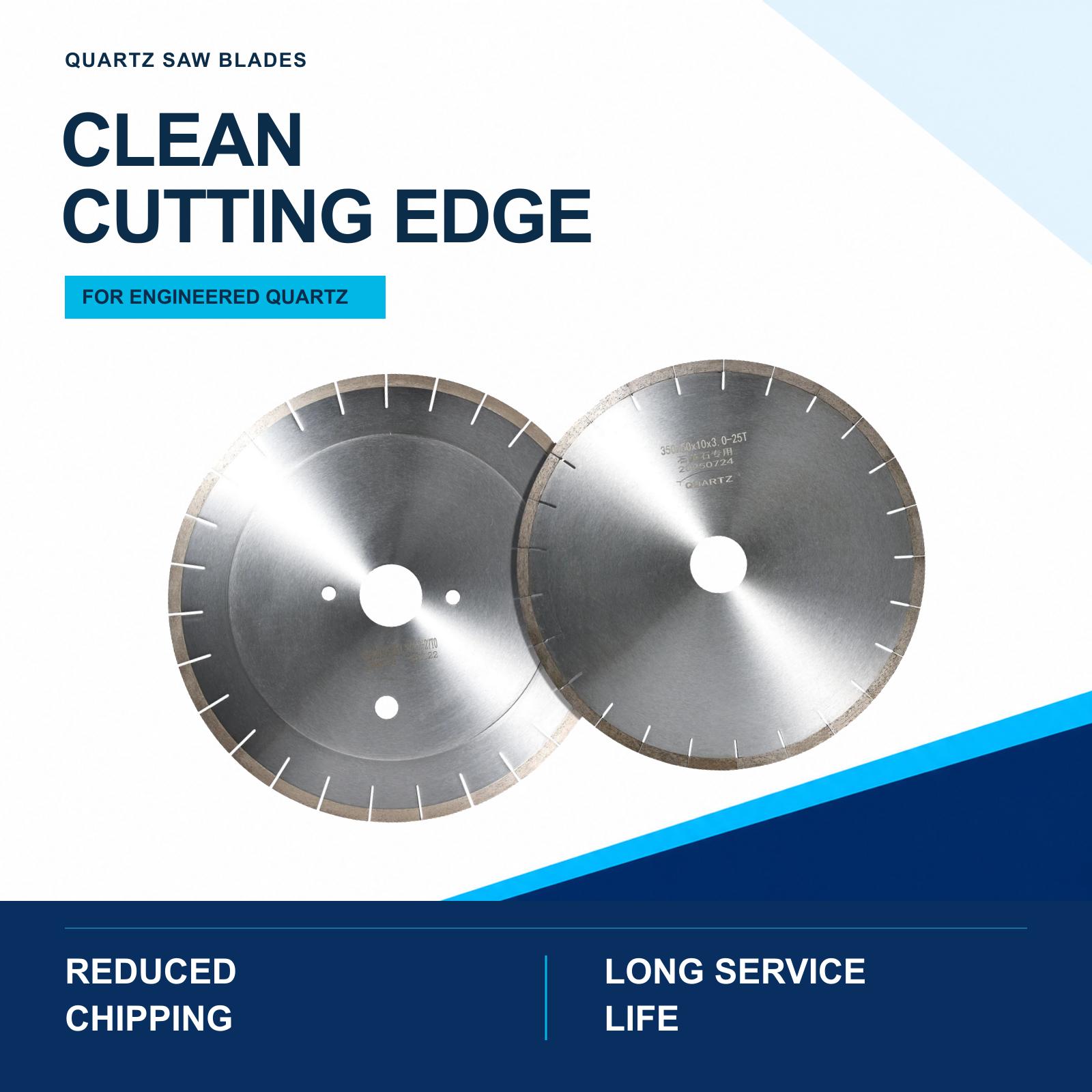
Identify whether you process ceramic tile, sintered stone or stone before comparing blade families. Your cut requirement and machine belong in the same decision.
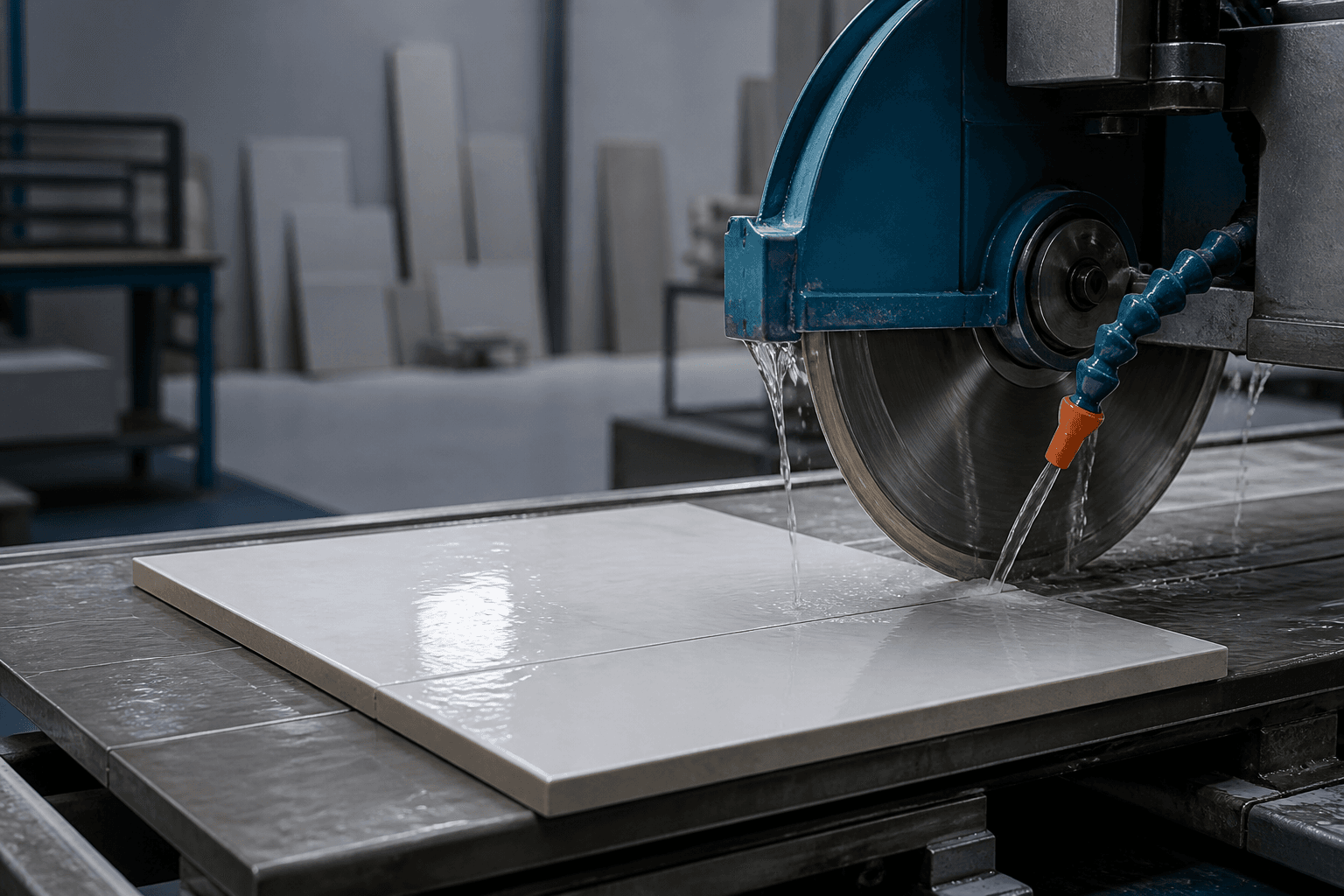
A useful ceramic tile enquiry identifies the tile type, the cut you need and the machine doing the work. This keeps the discussion focused on your actual job, rather than on a blade name alone.
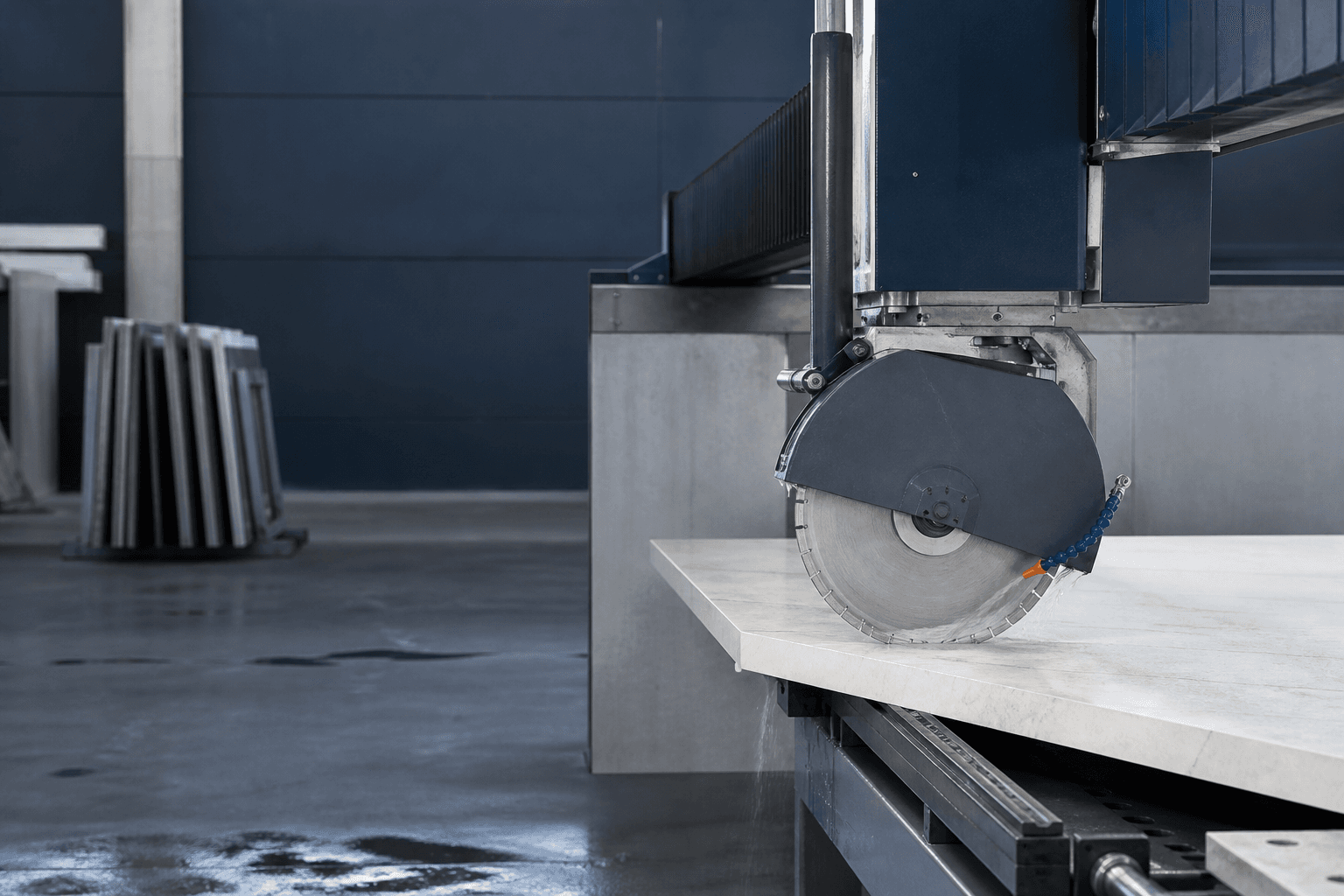
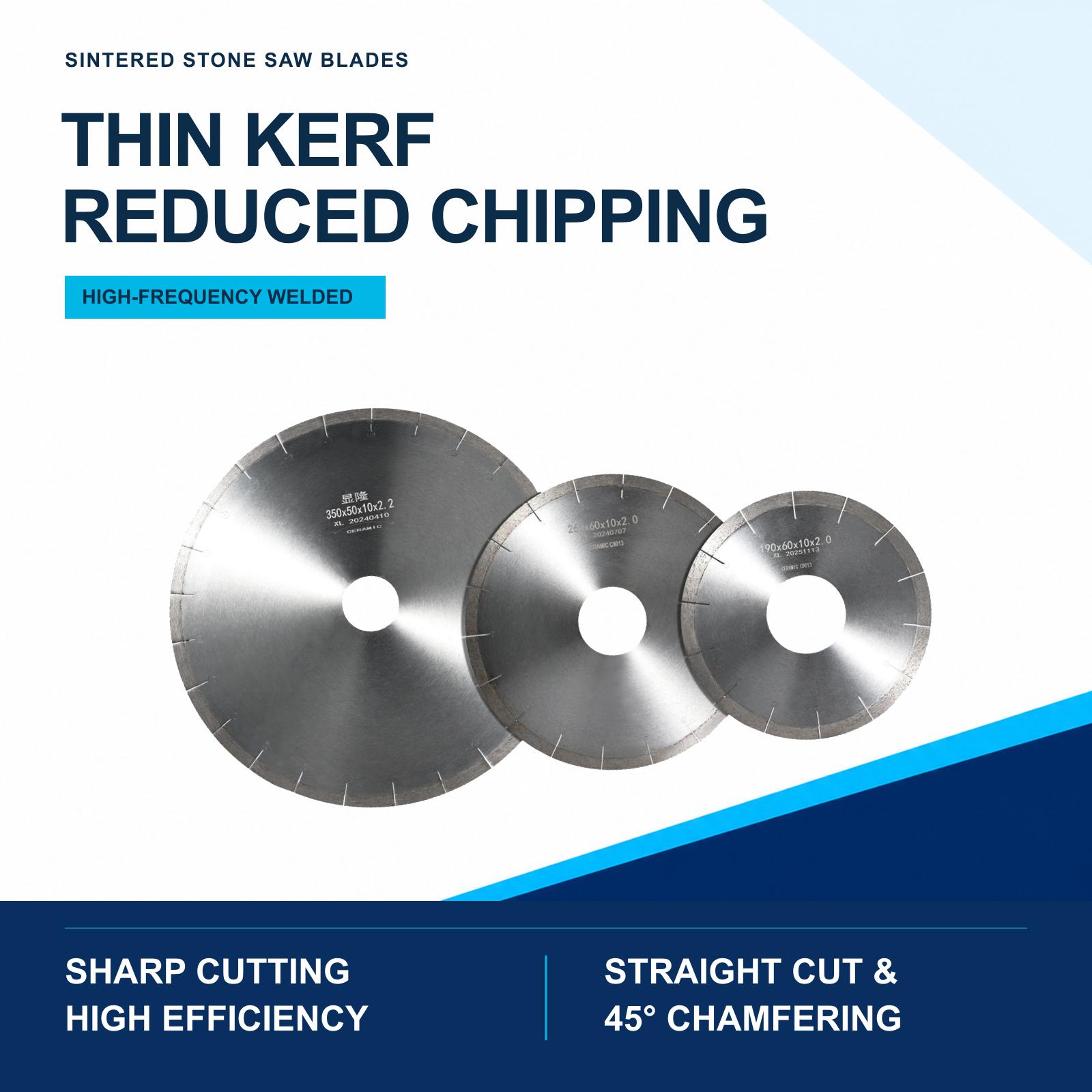
For sintered stone, start with the panel type, the exact operation and the cutting machine. If the cut continues into a miter or visible edge, add that next step so the full processing route can be considered.
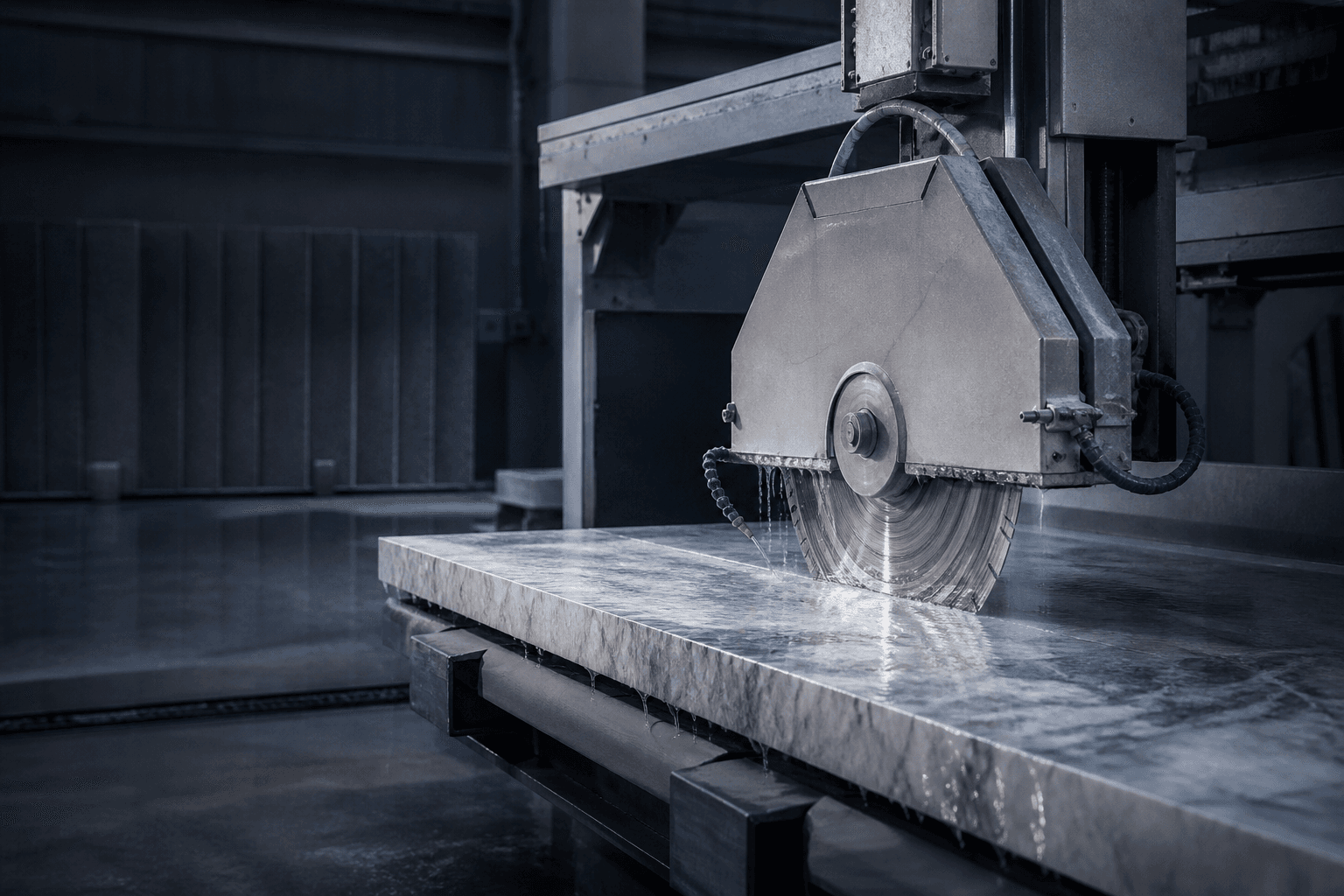
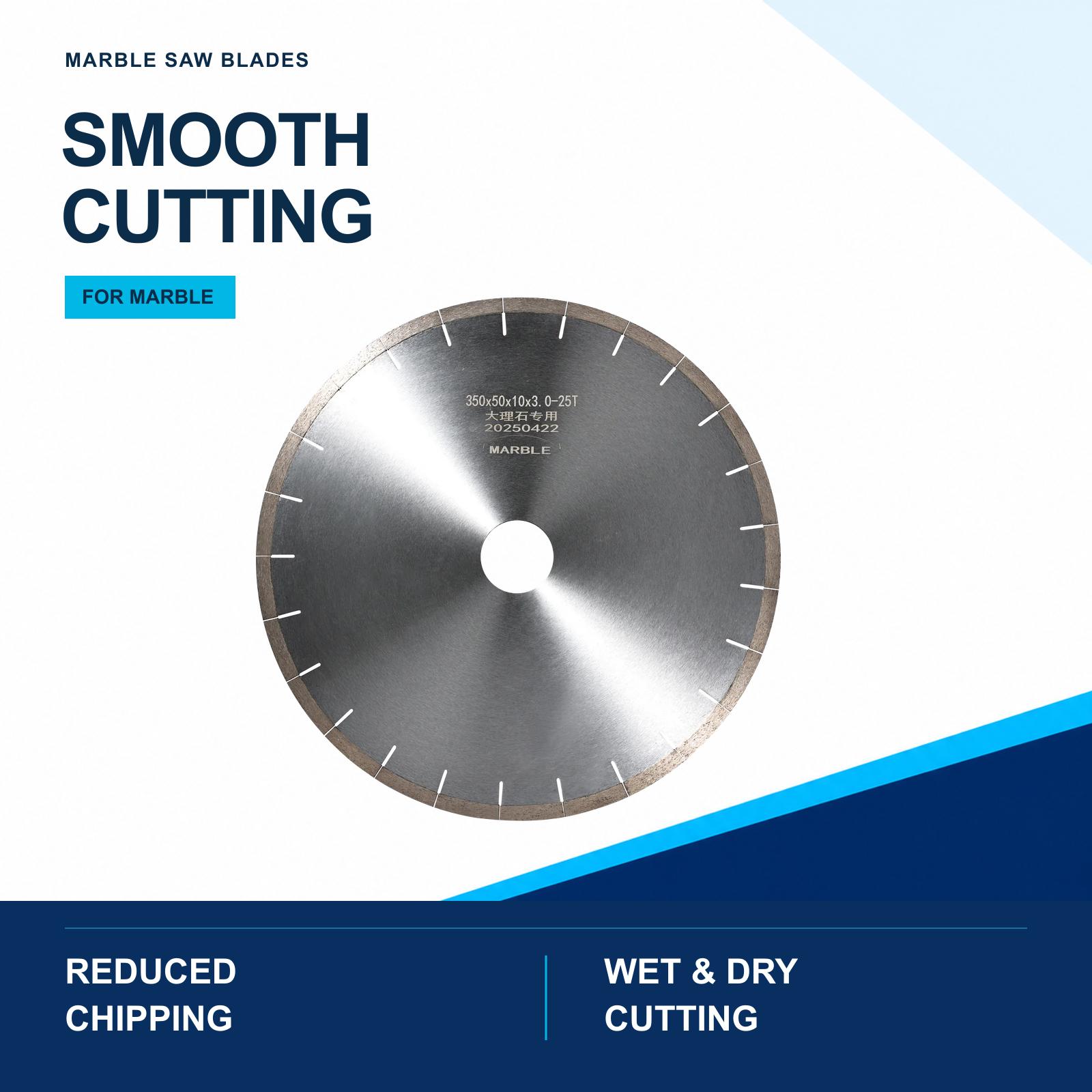
Natural, engineered and composite marble should be identified before the operation is discussed. A clear brief then separates the primary cut from any later trimming, beveling or grooving requirement.
Start with the actual workpiece, then describe whether the job requires a straight cut or bevel and which machine will carry out the work. This creates a practical basis for a custom or OEM discussion.
For granite and quartzite, the stone and machine belong in the same brief. State the actual cutting setup and required operation before comparing a blade series for the job.
Sintered stone panels45-degree edge applicationsBevel preparation
A useful mitering brief names the bevel position, the machine and the required edge stage. This makes it easier to separate initial removal from later edge refinement and connect each stage to the relevant tool series.
Ceramic tileSintered stone panelsDry edge grinding
For a dry edge process, identify the panel material, the stage to be completed and the machine in use. This prevents initial removal and final edge refinement from being treated as the same requirement.
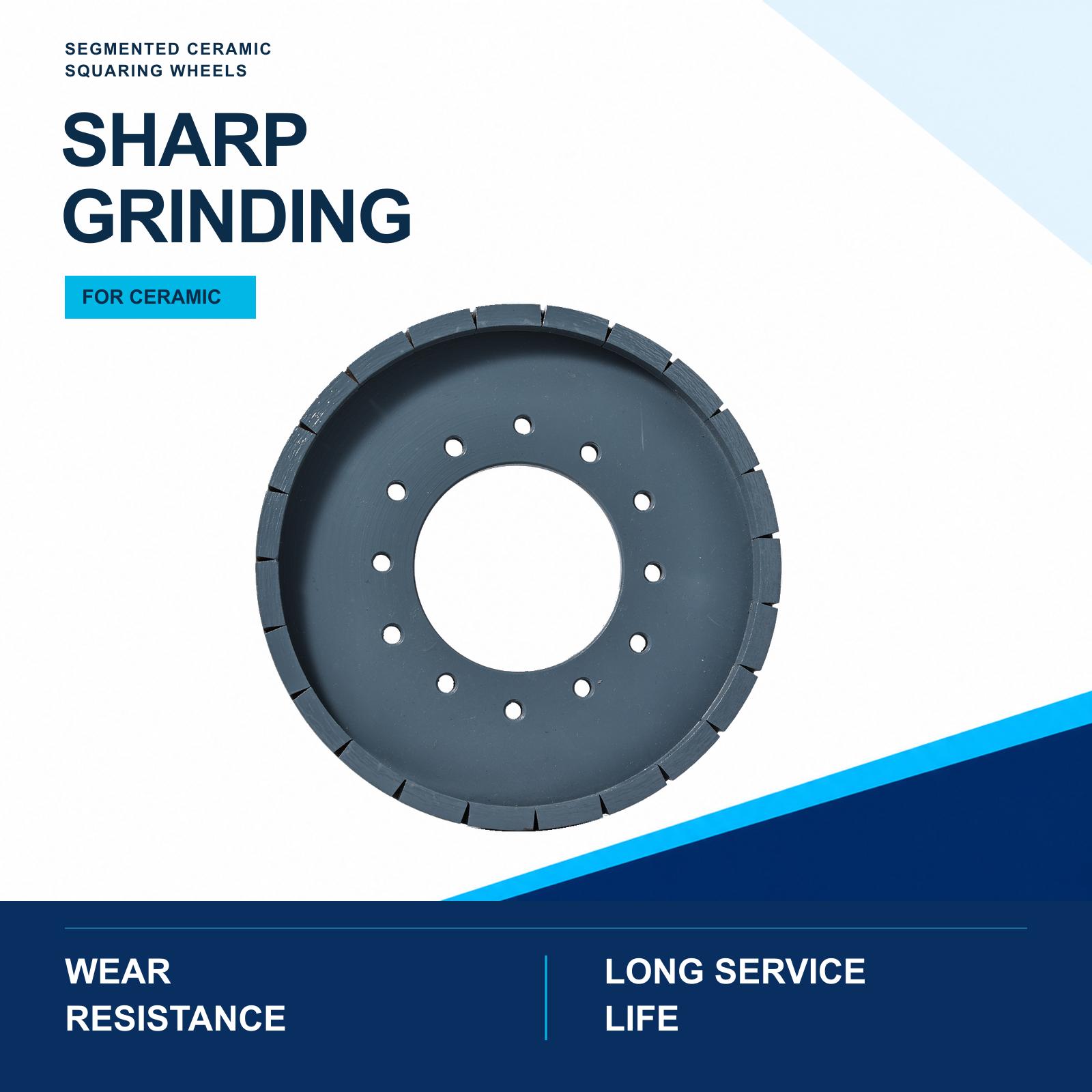
State the ceramic panel, whether the task is trimming, grinding or beveling, and the wet-grinding machine used. If the edge continues into another process, include that next step as well.
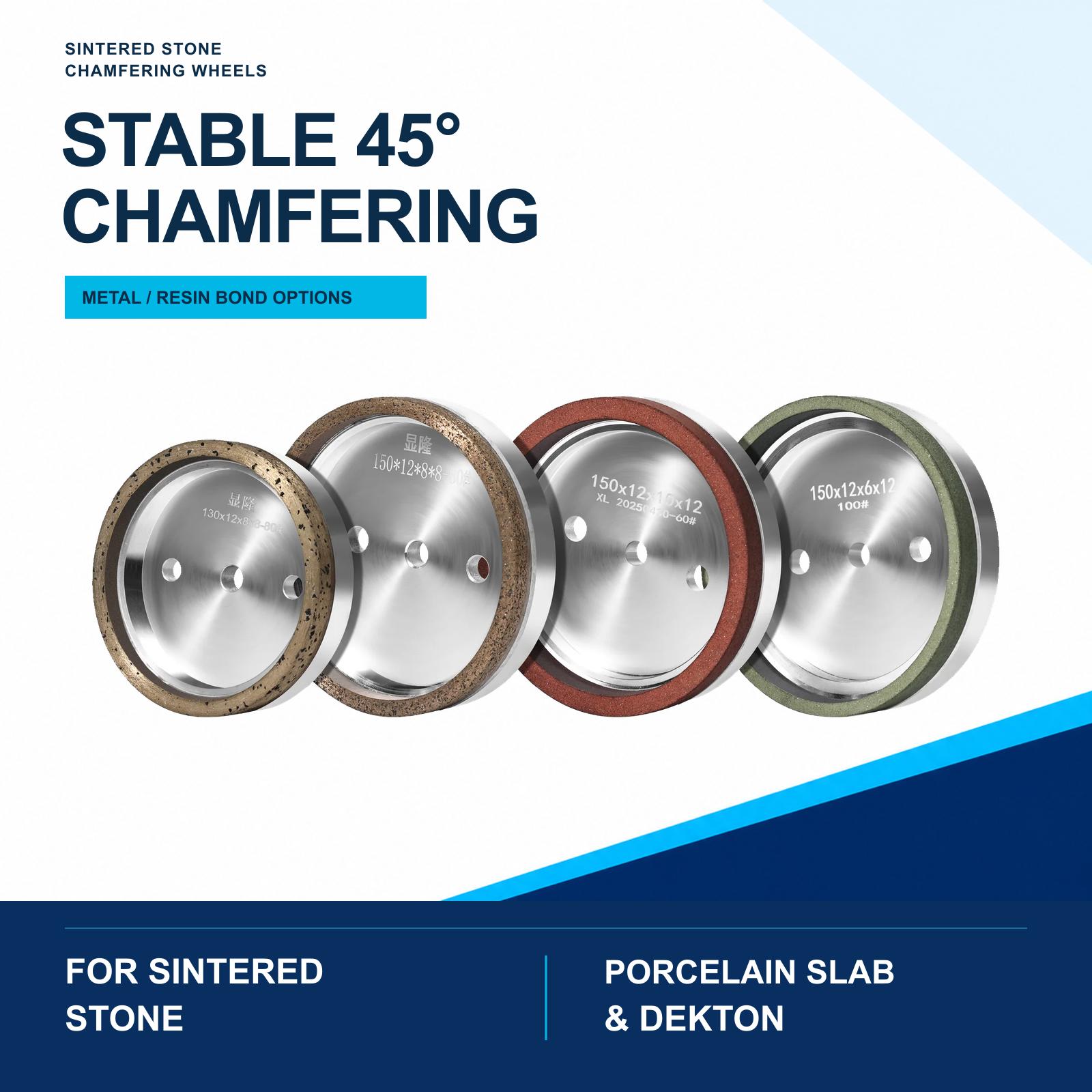
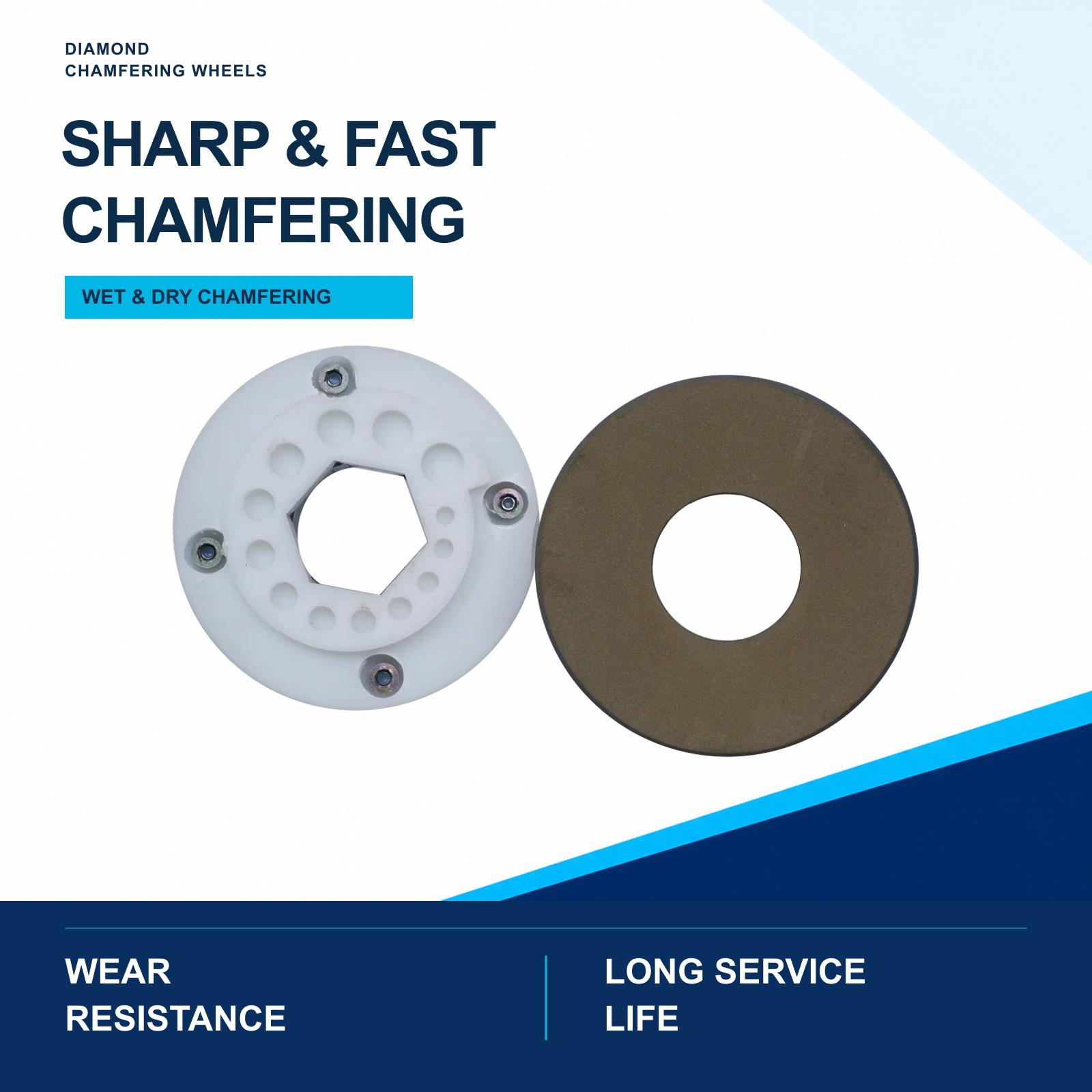
A chamfering request is easier to assess when it names the ceramic material, edge position, required bevel and the machine station. This gives the wheel discussion a clear processing context.
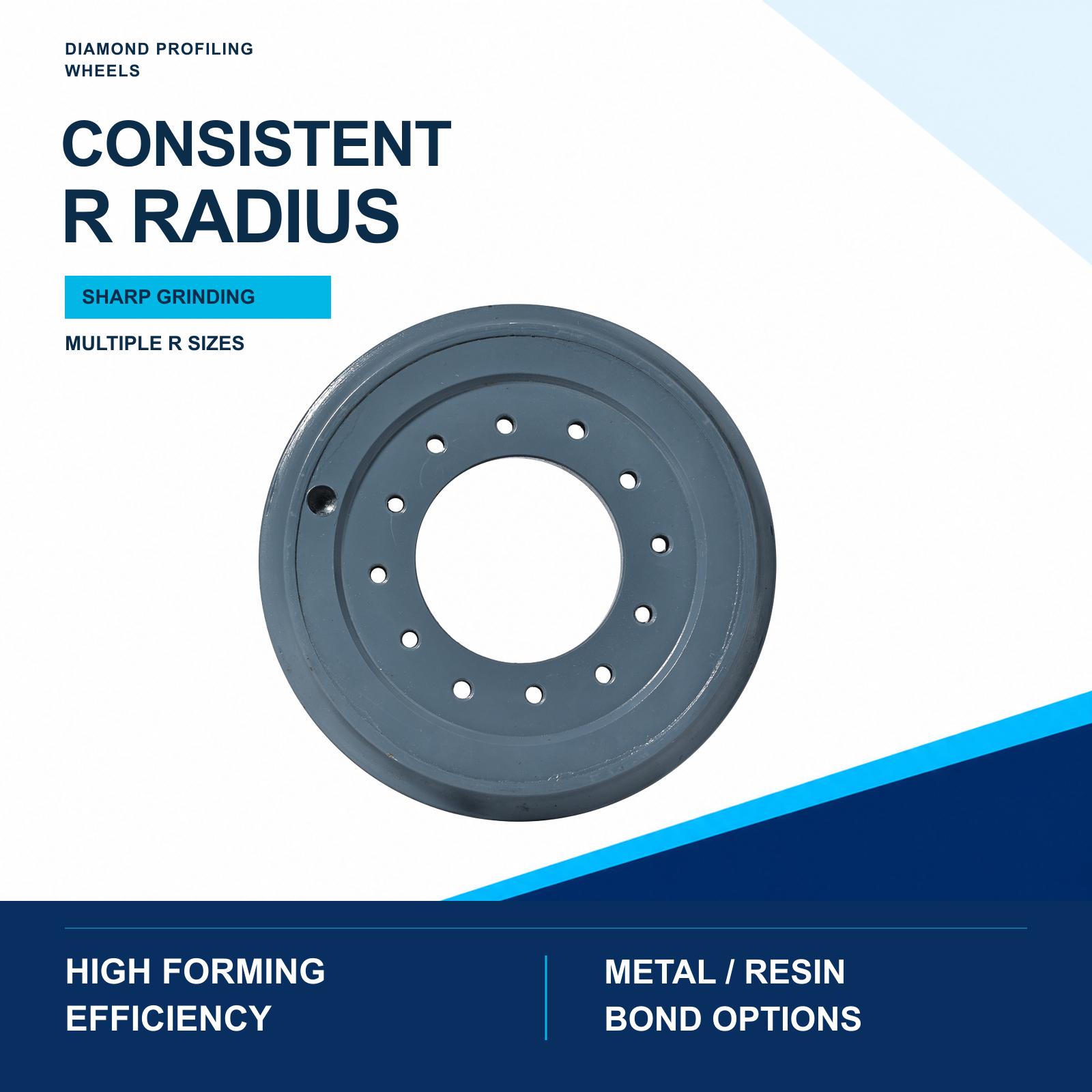
Start with the radius or shaped edge required, then separate initial arc work from final rounding. Adding the machine type creates a clearer basis for a custom profiling discussion.
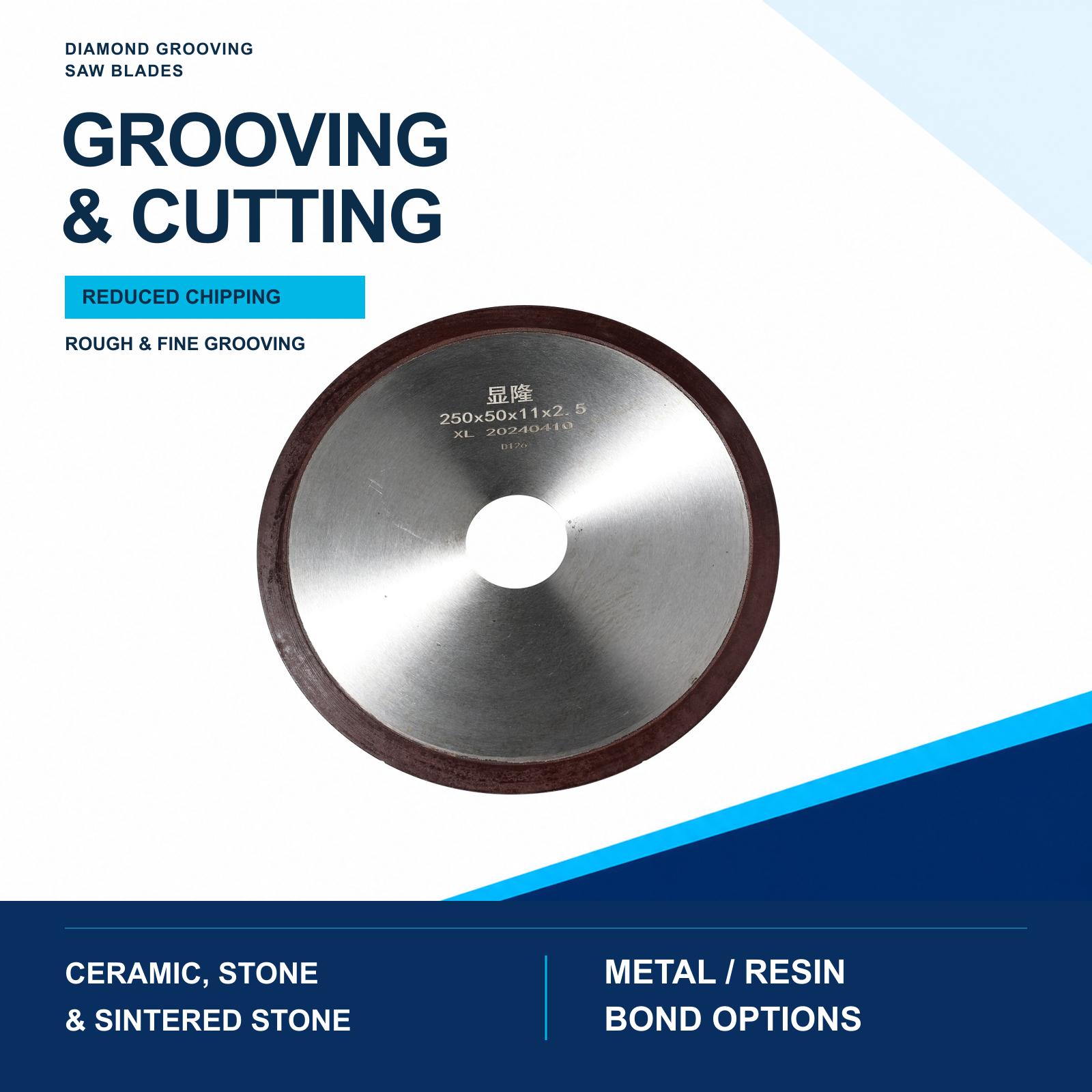
Start with the tile material, the groove needed and the machine used. When available, add groove width, bore and single- or combined-blade requirements to make the enquiry more specific.